Admissions Open 2027
BBA | BCA | B.Tech | LL.B | B.A LL.B | BBA LL.B | LL.M | MBA | MCA
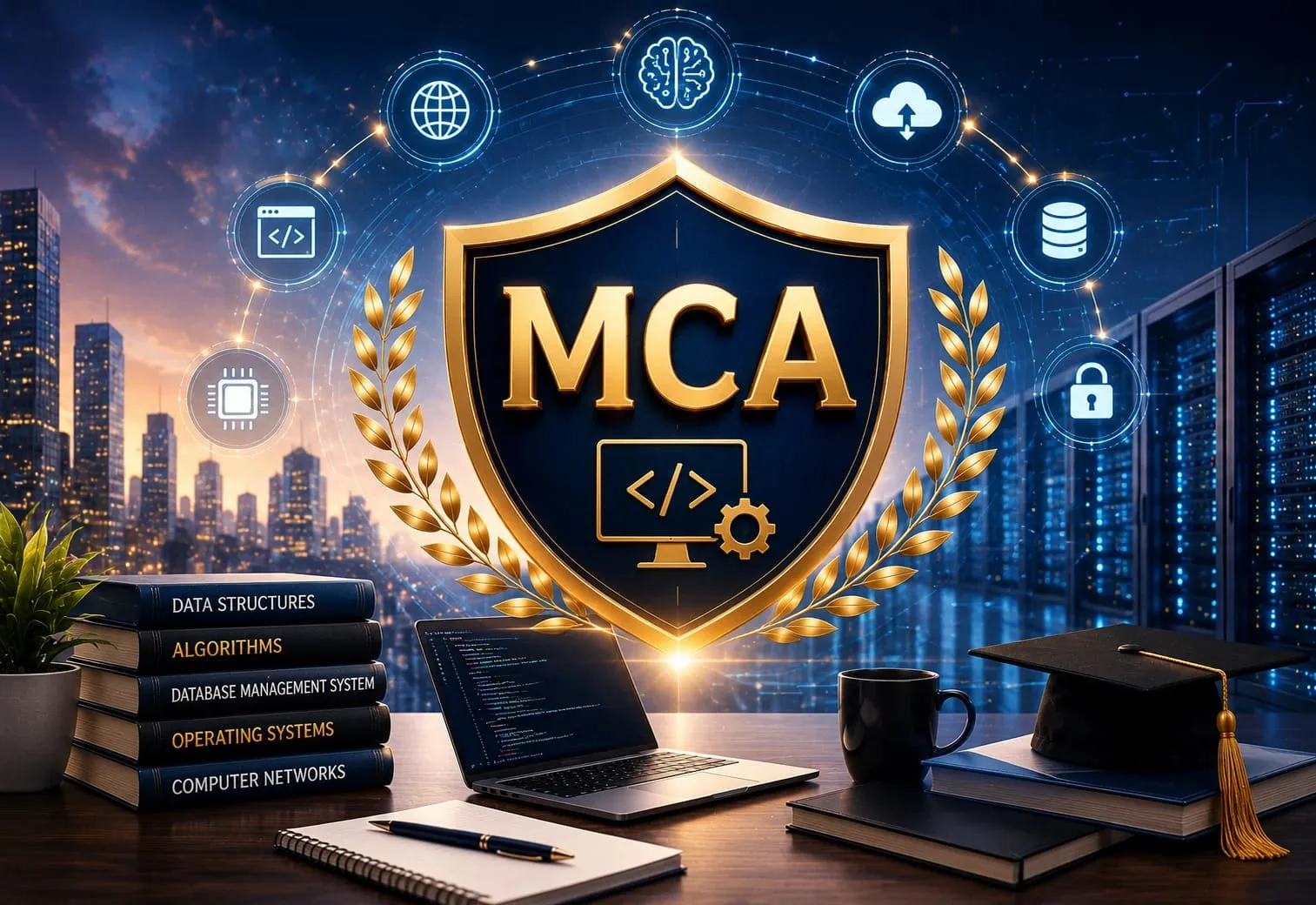
The MCA course combines computer science concepts with practical problem-solving. Programming exercises, software-based assignments, database activities, and project work can help students understand how technical concepts are applied to real-world requirements.
Students can work on improving their coding logic, debugging skills, analytical thinking, and ability to approach technical challenges. These skills are valuable for students planning to build a career in software development and information technology.

Students planning to pursue MCA admission in Delhi NCR should check the current eligibility conditions before applying.
The eligibility criteria can vary by institution and programme. Confirm the latest MCA eligibility requirements directly with CPJIMT before submitting your application.
Choosing the right institute for postgraduate computer applications involves more than comparing course names. Students should consider the curriculum, practical learning opportunities, teaching approach, facilities, and career guidance. When evaluating CPJIMT as an MCA college in Delhi NCR, review the current programme structure and understand how it aligns with your technical interests. Ask about programming practice, project work, available learning resources, internship opportunities, and career support before making your decision.
The MCA syllabus generally covers programming, databases, software engineering, and other computer application subjects. The actual curriculum depends on the institution, programme structure, and current academic regulations.
Common MCA subjects may include:
Check the official CPJIMT curriculum for the confirmed subjects, semester-wise syllabus, electives, and project requirements before publishing specific academic details.

Students comparing MCA colleges in Delhi NCR should assess how well each programme supports their academic and professional goals. A useful postgraduate learning experience should help students develop technical understanding, independent problem-solving, and the ability to apply classroom concepts.
While evaluating CPJIMT, ask about the current teaching methodology, practical assignments, project work, technical resources, internship opportunities, and placement assistance. Confirm the availability of these facilities directly with the institute.
After completing an MCA course, graduates can pursue entry-level or advanced opportunities in software development, web technologies, database management, testing, and IT services, depending on their skills and experience.
Students can also build expertise through professional certifications, practical software projects, and specialised training in areas such as cloud computing, cybersecurity, data analytics, or artificial intelligence. Choosing a specialisation should depend on individual interests, current industry requirements, and long-term career plans.
The total MCA fees may depend on the academic session, programme structure, and applicable charges. Students should obtain the latest fee details from CPJIMT before confirming admission.
Before applying, check:
For accurate financial planning, request the current fee structure and applicable scholarship details directly from the institute.
An MCA degree can help graduates pursue different roles in software, IT services, and technology-based organisations. Career options depend on technical knowledge, practical skills, experience, and employer requirements.
Students can improve their career readiness by building practical projects, strengthening programming fundamentals, and learning tools relevant to their chosen roles.
The Master of Computer Applications (MCA) is a postgraduate programme focused on computer applications, programming, software development, and related technology concepts.
Applicants generally need a bachelor's degree from a recognized university. Mathematics, minimum marks, and other conditions may apply depending on the current admission rules.
Review the latest programme details and eligibility criteria, then follow the admission process published by CPJIMT. Confirm the required documents and selection procedure before applying.
The MCA syllabus may include programming, data structures, databases, operating systems, computer networks, software engineering, and project work. Refer to the current official curriculum for exact subjects.
Graduates may explore roles such as software developer, web developer, application developer, database administrator, system analyst, and software tester, depending on their skills and experience.
The latest MCA fees at CPJIMT should be confirmed directly with the institute. Request details of tuition fees, additional charges, payment schedules, and any available scholarships.
Compare eligibility, curriculum, practical learning, faculty, technical facilities, fees, project opportunities, and career support to identify a programme that suits your goals.
